


From Team Canada to the Alberta Northern Lights, Sherman’s quiet greatness left a lasting mark on the game
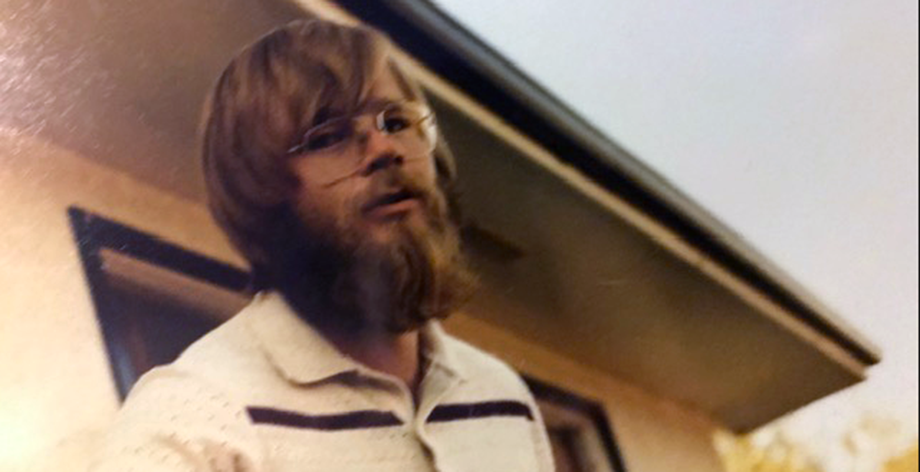
Roy Sherman never seemed interested in the spotlight.
As he prepares to be inducted into the Wheelchair Basketball Canada Hall of Fame, his instinct is not to celebrate himself, but to deflect attention elsewhere.
“It’s just not me,” Sherman said. “I don’t really jump on stuff like that. It’s very nice.”
That humility stands in contrast to his accomplishments on the court.
From 1979 to 1991, Sherman established himself as one of the most dominant players of his era, helping shape both the competitive identity and physical style of Canadian wheelchair basketball. Within just a few years of taking up the sport, he made Canada’s national team. By 1986, he was part of the squad that captured silver at the World Championships in Melbourne.
“That was the best that Canada had ever done,” Sherman said. “We had a good team and played hard.”
For Sherman, however, the lasting memory of representing Canada was the commitment required.
“That was fun,” he said. “I mean, it’s fun to wear the Canada uniform when you get home because only you have one. It was just always hard work.”
That understated perspective runs through nearly every chapter of his basketball life.
Sherman came to the sport almost by accident. After deciding downhill skiing was “too physical,” he was steered toward wheelchair basketball by his prosthetics specialist. It did not take long for his natural gifts to become obvious.
“I went and played,” Sherman recalled. “Played a year in Calgary, made the provincial team.”
Asked when he realized he might have something special, his answer was classic Sherman: blunt, funny and matter-of-fact.
“When they put me in for the jump ball,” he said. “When you’re the tallest in Canada, that’s your natural ability.”
That size, paired with presence on the court and instinct for the game, made Sherman a force through the 1980s. At the club level, he was a cornerstone of the Alberta Northern Lights, one of North America’s top teams during that era. Alberta won national titles, competed deep into major U.S. tournaments and built a reputation as a team that could impose itself physically and tactically.
Sherman was central to that.
Yet his view of the game was never only about points, trophies, or recognition. Sherman valued the grind and the unseen contributors just as much as the results.
“I think that the ones that are unrecognized are the people that are not on the starting lineup,” Sherman said. “Because they’re the ones that help you get to the starting lineup for practicing with you and make you work harder. Those are the people who never get notarized or mentioned because they work hard too.”
The sentiment says as much about Sherman as any stat line. He was a competitor, but also a player who understood where success came from.
On the court, there was nothing soft about the way he approached the game.
“Just my ability to pick apart the other team,” Sherman said, when asked what he was most proud of. “Any time that I could get the other team to fight amongst themselves, I figured I was on the winning side.”
He laughed off the suggestion that he was an agitator.
“No, never an agitator. Just play hard.”
Then, with a grin hidden in the words, he offered a more revealing description of his approach.
“Play hard and seek out their weaknesses wherever they come up. Then show sportsmanship along the way so that they didn’t see it coming,” he said. “They all thought I was a sportsman. I meant business all the way.”